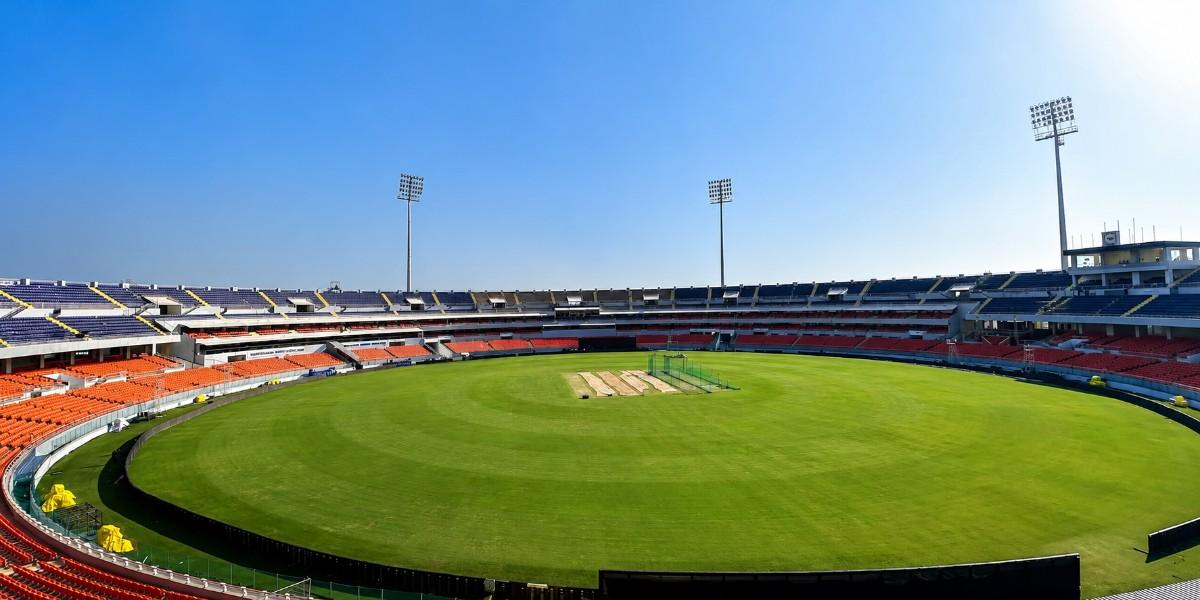
The Maharaja Yadavindra Singh International Cricket Stadium gives Punjab cricket a newer stage in Mullanpur, New Chandigarh. Many fans also know it as Mullanpur Stadium or the PCA New Cricket Stadium. The venue became important once Punjab’s IPL side shifted regular home matches there from the 2024 season.
This ground is still young compared with Mohali’s older cricket venue, but it already has a clear identity. It has modern facilities, floodlights, a large seating bowl, and a pitch that can give batters value without removing bowlers from the contest.
Essential Facts About the Stadium
| Detail | Information |
| Full name | Maharaja Yadavindra Singh International Cricket Stadium |
| Common name | Mullanpur Stadium |
| Other name | PCA New Cricket Stadium |
| Location | Mullanpur, New Chandigarh |
| Opened | 2021 |
| Seating capacity | Around 38,000 |
| Floodlights | Available |
| Home teams | Punjab and Punjab Kings |
| Main match use | IPL, domestic cricket, international fixtures |
| Time zone | Indian Standard Time |
The venue’s full name is long, but match fans usually shorten it during conversation. Mullanpur Stadium is easier to say, while PCA New Cricket Stadium appears in several cricket listings.
What Makes the Mullanpur Venue Different?
Punjab cricket already had a famous international ground in Mohali. The Mullanpur venue arrived as the next step, with wider infrastructure and a new base for major fixtures. It sits in New Chandigarh, close to the Mohali region, which makes it part of the same cricket belt that has served Punjab cricket for decades.
The ground has gained attention for three reasons:
- It became the Punjab Kings home ground from IPL 2024.
- It has a listed seating capacity of around 38,000.
- It began hosting international fixtures through women’s ODIs in 2025.
The stadium feels newer in every sense. The stands, practice areas, floodlights, and support facilities were built for modern match operations. It has not yet gathered decades of memories, but it has already started building its own record book.
What Teams Can Expect From the Pitch?
The Maharaja Yadavindra Singh International Cricket Stadium pitch report points toward balance rather than one-sided batting ease. The surface has used red and black soil traits, with useful bounce early in the innings and some slowing down as the game moves ahead.
Batters can score freely when the ball comes nicely onto the bat. Powerplay overs can bring quick runs if the new ball does not move much. Later, cutters, slower balls, and spin can become harder to force through the line.
A practical reading of the surface looks like this:
- Early bounce can help both stroke play and seam bowling.
- The new ball can offer movement under helpful weather.
- Batters get value when they trust the bounce.
- Spinners gain interest when the surface slows.
- Death bowling needs pace change rather than plain speed.
- Chasing depends heavily on dew and pitch pace.
This is why totals around 165 to 180 can feel different here from one match to another. A fresh surface may help batting, while a slower track can make the same score look stronger.
How Punjab Kings Made the Stadium Their New Home Venue for IPL?
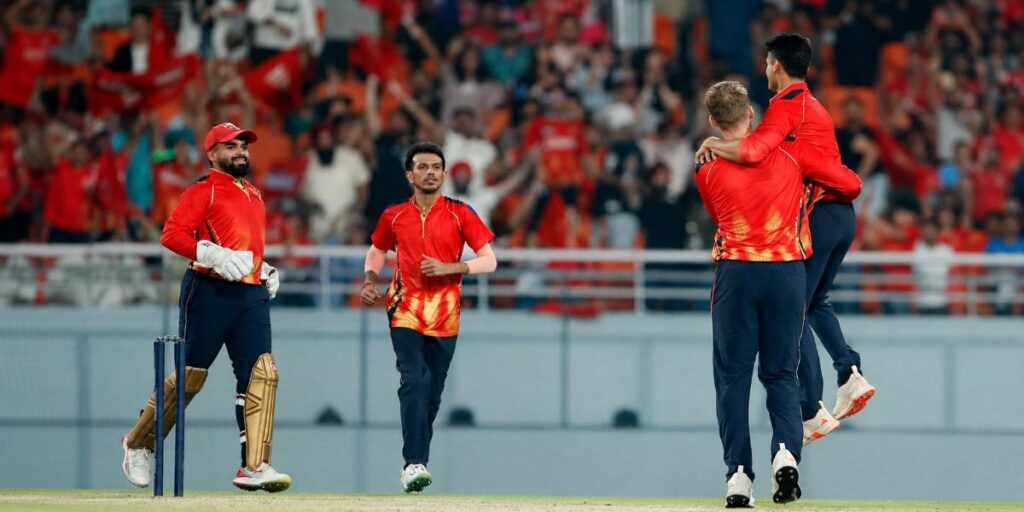
The Maharaja Yadavindra Singh International Cricket Stadium IPL records began properly in 2024, when Punjab Kings played Delhi Capitals in the first IPL match at this venue. Punjab won that game by four wickets after chasing 175.
The shift gave Punjab Kings a fresh home setting. Mohali had years of IPL history, but Mullanpur offered a newer venue with updated infrastructure. The team’s match nights at this ground quickly became part of the league calendar.
Punjab’s first IPL phase here showed a few patterns:
- Batting sides could score quickly on good surfaces.
- Seamers had chances with bounce and early movement.
- Spinners became useful when pace came off the ball.
- Scores above 180 were possible without complete batting dominance.
- A collapse could still happen when the pitch gripped.
The ground already has strong IPL moments. Priyansh Arya’s century in 2025 gave Punjab a major batting entry. Yuzvendra Chahal’s 4/28 in the same season became a key bowling mark at the venue.
Records at Maharaja Yadavindra Singh International Cricket Stadium
The Maharaja Yadavindra Singh International Cricket Stadium records are still developing because the venue has a short top-level history. Even then, early matches have produced useful numbers across Tests, ODIs, T20s, and IPL cricket.
| Category | Record Detail |
| Test highest total | India scored 564/8 declared against Afghanistan |
| Test lowest total | Afghanistan were bowled out for 112 against India |
| ODI highest total | India Women scored 292 against Australia Women |
| ODI highest chase | Australia Women reached 282/2 against India Women |
| T20 highest total | South Africa made 213/4 against India |
| T20 lowest total | India were bowled out for 162 against South Africa |
| IPL highest total | Mumbai made 228/5 against Gujarat |
| IPL lowest total | Kolkata were bowled out for 95 against Punjab |
These records may change quickly because the ground is still new. A few more IPL seasons and international matches can shift the venue list sharply.
How the Pitch Challenges Batters and Bowlers?
A ground becomes interesting when it refuses to behave the same way every time. Mullanpur has already hinted at that pattern. Batters have enjoyed pace on the ball, yet bowlers have found chances when they hit the right length.
Fast bowlers need to avoid floating the ball in the hitting zone. Short-of-length bowling can work when there is carry, but it can also sit up if the pace is wrong. Full bowling can bring swing into play, but missed yorkers disappear quickly.
Spinners need pace control. Slow through the air may not work on every surface. A flatter, quicker release into the pitch can hurry batters when the ball starts to grip.
Teams usually need these plans:
- Use the new ball for wickets, not damage control.
- Protect square boundaries when batters settle.
- Bring cutters into play after the ball softens.
- Use spin as an attacking option in the middle overs.
- Keep death overs away from predictable length balls.
The surface rewards teams that adjust during the innings. A fixed plan can become expensive fast.
The First International Chapter
The New Chandigarh cricket stadium entered international cricket through women’s ODIs between India Women and Australia Women in September 2025. This gave the venue a larger identity beyond IPL and domestic cricket.
Those matches also tested the ground’s readiness for higher-level scheduling. The venue had to handle team facilities, practice needs, crowd flow, broadcast areas, and weather concerns. Its drainage system gained attention because regional rain was a concern during preparations.
The international entry is important because it moves Mullanpur from a league venue into a broader cricket venue. More international matches will give the ground a deeper record list.
Key Conditions to Watch Before Toss
Fans often search the Maharaja Yadavindra Singh International Cricket Stadium pitch report before IPL matches because the venue is still building a long data trail. The best approach is to read the match through recent surfaces rather than old reputation.
Before a game, these checks are useful:
- Was the previous match high-scoring or slow?
- Is the game in the afternoon or evening?
- Has rain affected preparation?
- Does the team batting second get dew help?
- Are teams playing extra pace or extra spin?
- Has the square used a fresh strip?
This ground does not have enough long history for one fixed label. It should be read match by match.
Mullanpur Versus Old Mohali in Simple Terms
Mullanpur is often compared with the older Mohali cricket ground because both belong to Punjab’s main cricket region. The older ground carries long international memory. The newer ground brings fresh facilities and a recent IPL identity.
The difference is easy to understand:
| Point | Mullanpur Venue | Old Mohali Ground |
| Identity | Newer cricket base | Established international venue |
| IPL role | Punjab’s newer home venue | Earlier Punjab home venue |
| Record depth | Still growing | Long historic record book |
| Fan memory | Building phase | Strong past match memory |
| Infrastructure feel | Modern setup | Older established setup |
Mullanpur is still creating its story. That gives every major match extra value because early records can remain attached to the venue for years.
Final Take
The Maharaja Yadavindra Singh International Cricket Stadium is still early in its cricket life, but it has already become important for Punjab cricket. It gives the state a modern venue in New Chandigarh, a newer IPL base, and an international future through women’s cricket fixtures.
Its pitch has enough bounce for batters and enough change through the innings for bowlers. This balance makes the venue worth watching across IPL and international games. The record book is young, and that makes every new match at Mullanpur feel like part of the ground’s first real chapter.
FAQs
Why is the stadium named after Maharaja Yadavindra Singh?
The stadium is named after Maharaja Yadavindra Singh of Patiala, who had a strong link with Indian sport and public life. The name connects the venue with Punjab’s royal and cricket heritage.
Is Mullanpur Stadium inside Chandigarh city?
Mullanpur Stadium is in New Chandigarh, near Mohali, rather than inside Chandigarh city proper. Fans often link it with Chandigarh because the wider area shares travel routes and cricket audiences.
How far is Mullanpur Stadium from Chandigarh airport?
The stadium is roughly within driving range of Chandigarh airport, but travel time changes with traffic. Matchdays can stretch the journey because crowd movement and road controls affect routes near the venue.
Does Mullanpur Stadium have practice facilities?
The venue has training nets, team practice areas, gym access, and recovery facilities for players. These support systems were part of the ground’s preparation for larger cricket fixtures.
Why is Mullanpur Stadium important for Punjab cricket?
Mullanpur gives Punjab cricket a modern home for IPL, domestic matches, and international fixtures. It also reduces pressure on older venues and gives the region a newer matchday identity.
One Reply to “Maharaja Yadavindra Singh International Cricket Stadium: Pitch, Capacity, Records and IPL Details”